

Big purchases like a dream vacation, a new car, or even a down payment on a home don’t happen overnight. They require careful planning, commitment, and most importantly, time. This is where saving money over time for a large purchase becomes essential. Instead of relying on debt or credit cards, building a solid savings plan allows you to enjoy your purchase without the stress of financial strain. With the right step-by-step strategy, anyone can develop smart saving habits that turn financial goals into reality.
In this guide, we’ll walk through a clear and actionable plan that covers everything from setting realistic goals to choosing the right savings tools. By following these steps, you’ll not only reach your target purchase but also develop financial discipline that benefits you long after.
Why a Step-by-Step Savings Strategy Matters?
Before diving into the steps, it’s important to understand why a structured savings plan is better than simply putting money aside whenever possible. Many people start saving without direction, which often leads to frustration, inconsistency, or dipping into funds prematurely.
A step-by-step savings strategy gives you:
- Clarity on your target amount and timeline.
- Structure to keep track of progress.
- Discipline to stay consistent, even when motivation drops.
- Financial security by avoiding reliance on credit or loans.
Here’s a quick comparison to show the difference between saving without a plan and saving with a structured strategy:
| Aspect | Saving Without a Plan | Saving With a Strategy |
|---|---|---|
| Goal Clarity | Vague (e.g., “I’ll save some money”) | Specific (e.g., “Save $10,000 in 18 months”) |
| Consistency | Inconsistent deposits | Automatic, scheduled savings |
| Motivation | Easy to lose focus | Clear milestones keep motivation high |
| Risk of Spending Funds | High | Low (money stored in dedicated account) |
| Long-Term Benefits | Minimal | Builds lasting financial habits |
Clearly, having a plan not only makes saving easier but also makes it more rewarding.
Well, if you are a student who’s looking for Smart Savings Strategies, find out How Students Can Maximize Discounts During College
Step 1: Define Your Goal Clearly

The first step in saving money over time for a large purchase is clarity. You need to know exactly what you’re working toward. Are you saving for a $20,000 car, a $5,000 luxury vacation, or a $50,000 home down payment?
Be Specific With Numbers and Timelines
Instead of saying, “I want to save for a car,” say, “I need $20,000 within two years.” Setting a clear dollar amount and deadline gives your savings plan structure and urgency. Use a savings calculator to break the total into smaller, manageable monthly or weekly targets.
Step 2: Create a Realistic Budget
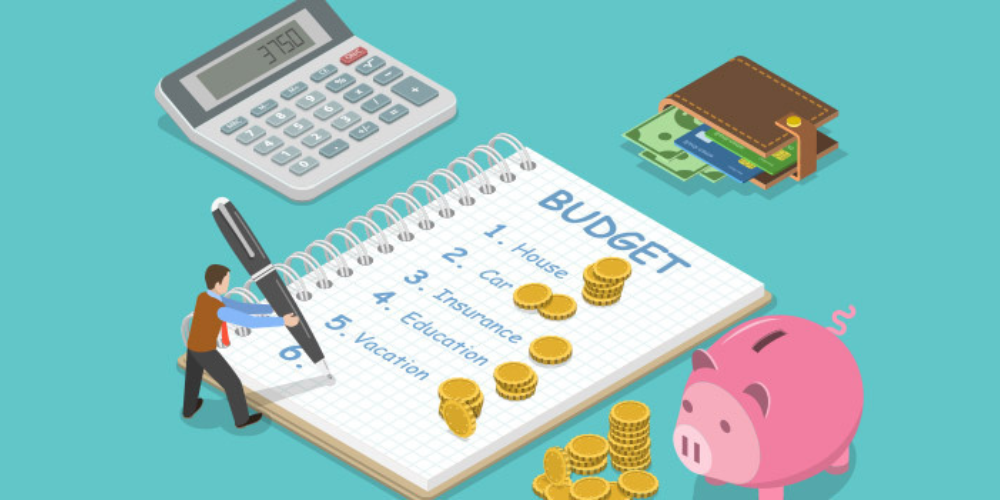
No savings strategy works without a proper budget. Financial planning starts by tracking income, expenses, and identifying areas where money can be redirected toward your goal.
Break Down Your Spending
Categorize your expenses into essentials (rent, bills, groceries) and non-essentials (entertainment, eating out, subscriptions). Even small adjustments, like reducing restaurant visits or canceling unused subscriptions, can free up money for savings.
Allocate a Percentage to Savings
A good rule of thumb is the 50/30/20 rule: 50% of income for needs, 30% for wants, and 20% for savings. However, if you’re working on a big purchase, you might want to increase your savings percentage temporarily.
Step 3: Cut Unnecessary Expenses
To accelerate saving money over time for a large purchase, trimming expenses is essential. Cutting back doesn’t always mean sacrificing your lifestyle completely, it’s about making smarter choices.
Practical Cost-Cutting Ideas
- Cook meals at home instead of frequent takeout.
- Switch to generic brands for groceries and household items.
- Limit impulse shopping by waiting 24 hours before making a purchase.
- Use public transportation instead of driving when possible.
Even small changes, when added up over months or years, can create a substantial savings boost.
Step 4: Automate Your Savings
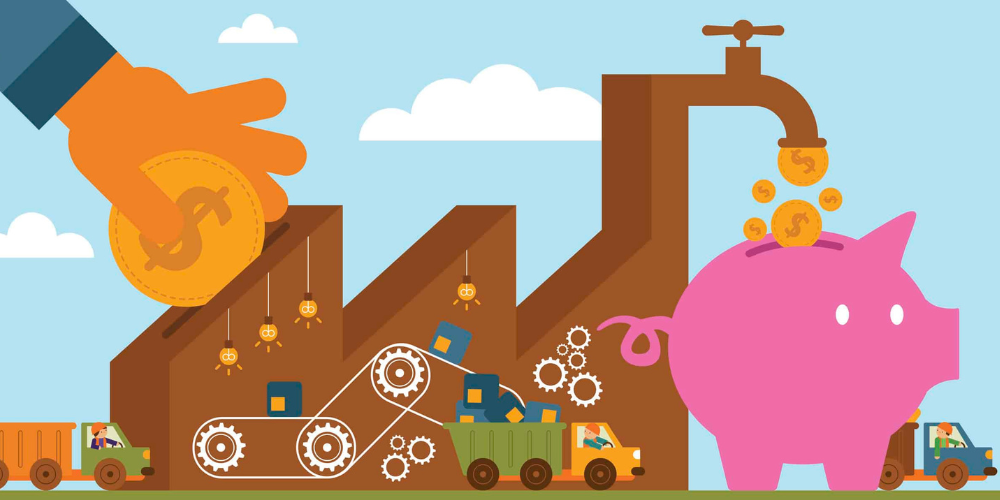
One of the most effective ways to build savings is by automating the process. When savings are automatic, you remove the temptation to spend first and save later.
Set Up Automatic Transfers
Arrange for a fixed amount to transfer from your checking account to a dedicated savings account right after payday. Treat it as a non-negotiable bill. Over time, this habit ensures steady progress without relying on willpower.
Step 5: Use a High-Yield Savings Account
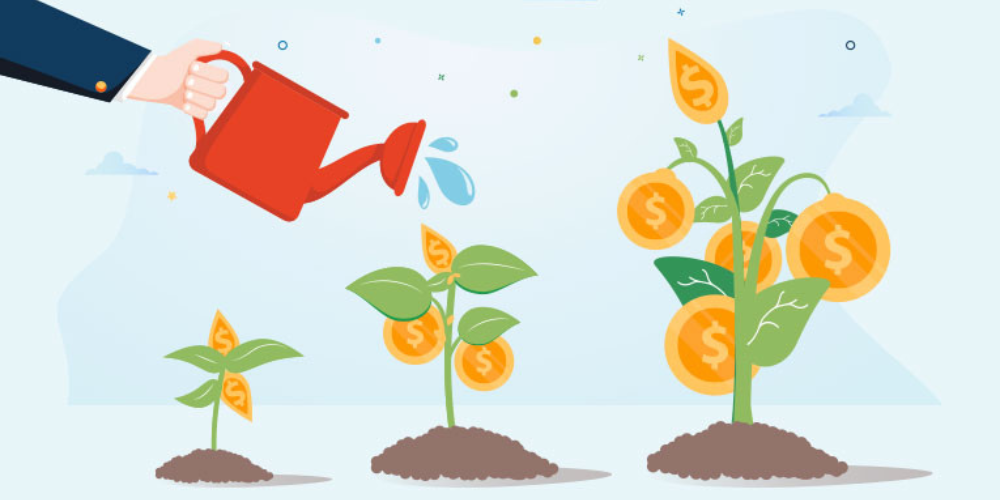
Where you keep your savings matters just as much as how much you save. A regular checking account won’t grow your money, but a high-yield savings account (HYSA) can.
Here are the top 5 high-yield savings accounts (HYSA):
- Varo Bank High-Yield Savings – 5.00% APY
(Online bank, no minimum balance requirement) - AdelFi Money Market Savings – 5.00% APY
(Faith-based credit union, federally insured) - Fitness Bank Ultra Savings – 5.00% APY
(Unique twist: APY is tied to daily step counts, but base APY is among the highest) - Axos Bank ONE® Savings – 4.66% APY
(No monthly fees; higher APY with direct deposit requirement) - Pibank High-Yield Savings – 4.60% APY
(No minimum balance; fully online bank)
Benefits of High-Yield Accounts
- Earn higher interest rates compared to standard savings.
- Keep funds safe and easily accessible.
- Separate your goal money from your daily spending accounts.
For larger savings goals, some people also consider certificates of deposit (CDs) or money market accounts, which offer better returns if you don’t need immediate access to funds.
Step 6: Avoid Unnecessary Debt
It’s easy to be tempted by financing options or credit cards for big purchases. However, relying on debt often leads to higher costs in the long run due to interest rates.
Why Debt Can Slow Your Progress
Every dollar spent on interest is a dollar not contributing to your goal. By focusing on saving money over time for a large purchase, you avoid the financial burden that comes with monthly debt payments. If you already carry debt, prioritize paying it down alongside your savings plan to create financial breathing room.
Step 7: Explore Additional Income Streams
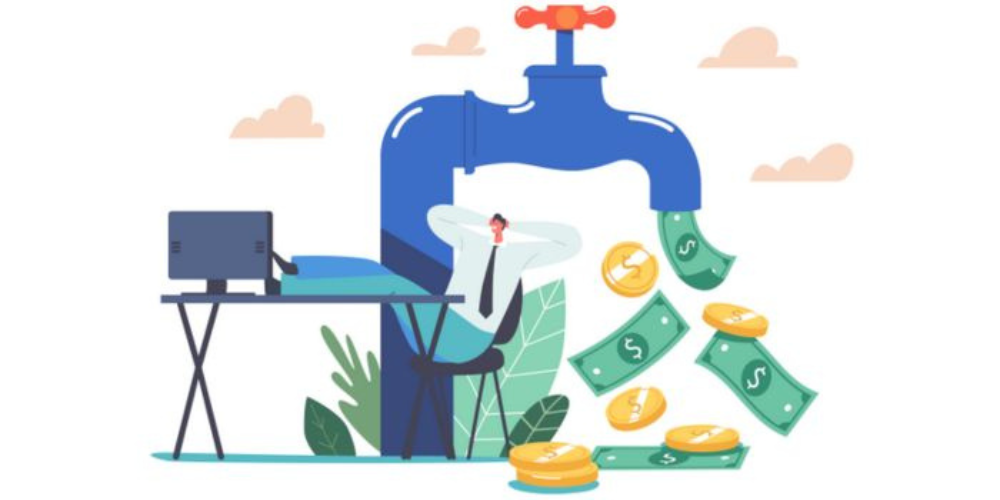
Sometimes cutting expenses isn’t enough. If your timeline is tight, consider boosting your income.
Side Hustle Ideas
- Freelancing in your area of expertise.
- Selling unused items online.
- Offering tutoring, ride-sharing, or delivery services.
- Turning hobbies into income, like photography or crafts.
Even a few hundred dollars extra each month can significantly accelerate your savings journey.
Step 8: Monitor and Adjust Your Plan
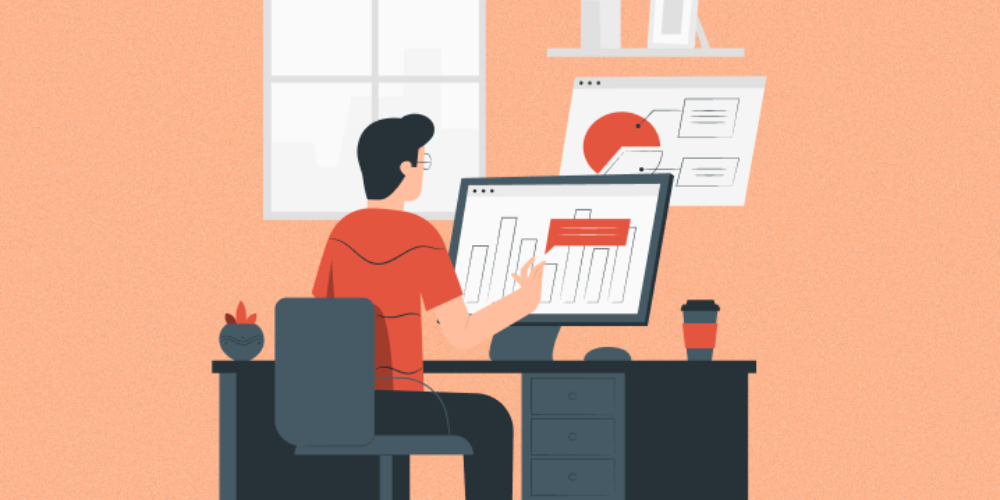
Saving for a large purchase is rarely a straight path. Life changes, expenses fluctuate, and unexpected challenges arise. That’s why monitoring your progress is crucial.
Track Progress Regularly
- Use budgeting apps or spreadsheets to stay on top of your goals.
- Celebrate milestones when you reach certain amounts.
- Adjust savings contributions if your income increases or expenses decrease.
Flexibility ensures you remain on track without feeling discouraged by setbacks.
Step 9: Stay Motivated and Consistent

Financial discipline can fade over time, especially when the purchase goal seems far away. Staying motivated is key.
Motivation Strategies
- Visualize the end goal: a new car in your driveway, keys to your new home, or a plane ticket in hand.
- Create a vision board or savings tracker to see progress visually.
- Reward yourself with small, budget-friendly treats for sticking to the plan.
Consistency matters more than perfection. Even if you can’t save as much one month, getting back on track the next month keeps the momentum alive.
Conclusion
Achieving a big financial milestone doesn’t require luck, it requires a plan. By setting clear goals, budgeting wisely, cutting expenses, automating savings, and choosing the right financial tools, you can master the art of saving money over time for a large purchase.
This strategy not only brings you closer to your dream purchase but also strengthens your overall financial habits. Start today with one small step, and before you know it, you’ll reach your goal with confidence and financial freedom.
Frequently Asked Questions
Q. How much should I save each month for a large purchase?
Divide your total goal by the number of months until your deadline. For example, saving $500 monthly builds $12,000 in two years.
Q. What is the best account to use when saving for a big purchase?
A high-yield savings account is ideal since it offers higher interest rates and keeps your funds safe and accessible.
Q. How can I save money faster for a big purchase?
Cut unnecessary expenses, automate savings, and boost income with side hustles to reach your goal quicker.
Q. Is it better to save or finance a large purchase?
Saving is usually better because it avoids interest, while financing makes sense only if the rate is very low.
Q. How do I stay motivated when saving for something long-term?
Visualize your goal, track progress with apps or charts, and celebrate small milestones to stay consistent.